
Composite Bonding in Westmont, IL
Small repairs. A natural look.
Bonding uses tooth-colored material to repair small chips, fill cavities, or change a tooth’s shape.
- Small cavities that need a filling
- Small chips on a front tooth
- Small gaps between teeth
- Dark areas on the surface of a tooth
- Teeth that look short or uneven
At a glance
Composite Bonding
Quick facts
Bonding is the most common restoration we place.
Concerns
Small cavities, chips, gaps, dark spots
Treatment time
Cosmetic bonding can often be done in one visit.
Results seen
You see the new shape and color before you leave the chair.
Repeat
Not a repeat treatment. We check it at your cleanings.
The Composite Bonding Procedure
For a filling, we clean out the decay first. Then we place the composite, shape it to match your tooth, and harden it with a special light. It is shaped and polished before you leave.
For cosmetic bonding, there is often minimal drilling. The material is soft, moldable and comes in many shades. Right in the chair we can close a space, cover a dark area, lengthen a tooth, or straighten how a tooth looks.
Cosmetic tooth bonding can often be accomplished in one visit. It costs less than porcelain veneers and requires minimal drilling. If you want a longer-term and more esthetic result, we will explain veneers so you can compare.
How Composite Bonding Works
Composite is a biomimetic material. That means it looks and feels much like your natural tooth. It is like a strong plastic that stays soft until a curing light hardens it in place.
Because it is actually bonded to the tooth, it helps strengthen the tooth itself. Amalgam, the old silver filling material, is packed into a cavity instead of bonded. Over time it expands, which can create fractures and allow bacterial leakage and decay to set in.
We have chosen not to use the mercury type fillings. Safety is the main reason, and they also fracture teeth and leak easily. Most patients also do not want black fillings, particularly in their front teeth.

The Pearl experience
The Benefits of Composite Bonding
- Matches the color of your natural teeth
- Bonds to the tooth and helps strengthen it
- Minimal drilling for cosmetic cases
- No mercury and no black fillings
- Costs less than porcelain veneers
- Comes in many shades for a close match
What to expect
Tooth-colored fillings at Pearl Dental Care
We place composite fillings, not mercury ones. We show you what we see on your x-rays before we start anything. For small fillings and sealants we can sometimes use air abrasion. It cleans the grooves gently, with no drilling and no numbing shot. If a cavity is too large for bonding, we will tell you and explain the inlay, onlay and crown options.
FAQs about
Composite Bonding
What is composite bonding?
It is a tooth-colored material that is bonded onto your tooth. We use it for fillings and for small changes to how a tooth looks. It is light cured, which means a special light hardens it once it is placed and shaped.
Do you use silver fillings?
No. Our office stays away from the mercury type restorations. They can fracture teeth and leak easily, and most patients do not want black fillings, particularly in their front teeth.
Can bonding fix a chipped front tooth?
Often, yes. Composite comes in many shades, so we can match your tooth and rebuild the chip. Many of our patients have had us close up small chips or gaps in their teeth this way.
Bonding or veneers, which should I choose?
Porcelain veneers can be the longer-term and more esthetic solution. Cosmetic bonding can often be done in one visit, is less expensive, and requires minimal drilling. We look at your situation and help you decide which option fits.
When is a cavity too big for a filling?
If it is larger, an inlay or onlay restoration may be the better choice. If a larger portion of the tooth is missing, a crown is usually the right call. We explain which one your tooth needs and why.
Ready to fix a chip or a cavity?
Questions about composite bonding? Call (630) 810-9940. We’ll help you plan a visit and understand your options.
Every plan is personalized at your visit. Results vary from person to person. Illustrative images are not actual patients.
Request a visitThe Pearl approach
The dentist
you will see.
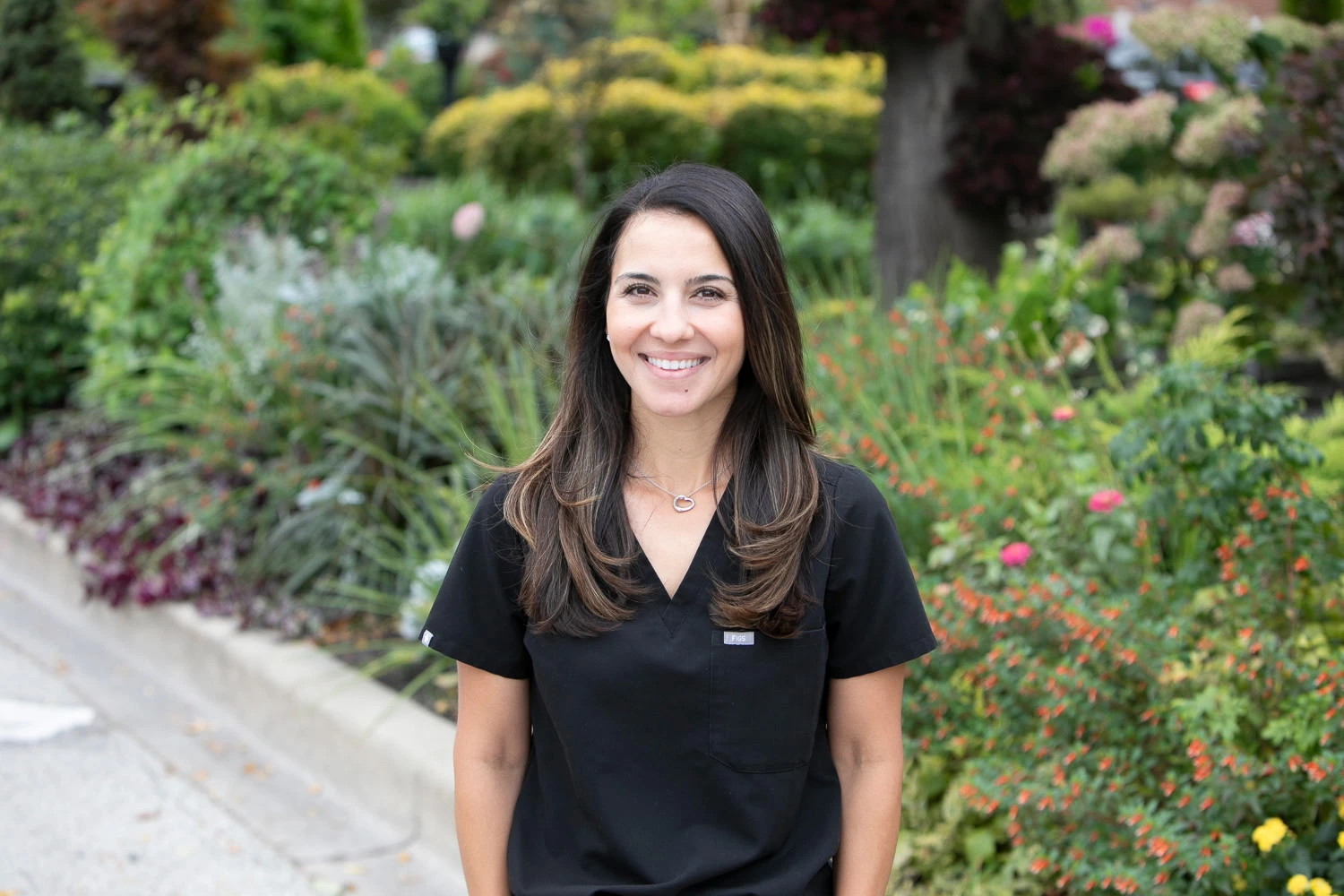
Your comfort and trust matter to Dr. Najwa. She wants you to feel heard, cared for, and comfortable asking questions.
- Westmont, IL
- One office, on 63rd St
- Dr. Najwa Jaamour
- Doctor of Dental Surgery
- Delta Premier
- In-network insurance
What patients say
Smiles with a story.
Great dental experience! Thorough exam and cleaning. Very good info about teeth and areas that need attention.
James F. Published patient review
Sweet, caring providers who listen to patient concerns and accommodate as much as possible.
Pam A. Published patient review
Very gentle and understanding dentist! Great staff as well. So glad I found them!
Bridget L. Published patient review
Areas we serve
Composite Bonding for neighbors near Westmont.
We have one office, at 331 W 63rd St in Westmont. These are the towns our patients drive in from. Each link shows the road distance and the drive time from the middle of that town to our door.
- Monday
- 9AM - 5PM
- Tuesday
- 9AM - 5PM
- Wednesday
- 12PM - 8PM
- Thursday
- Closed
- Friday
- 9AM - 5PM
- Saturday
- 8AM - 1PM by appointment
- Sunday
- Closed